When it comes to choosing a career, there is so much to consider, be it the pay scale, the profession itself, the future, or various other aspects.
But, in the end, it all comes down to our passion and interest.
In this context, a music career can be considered good because it allows you to pursue your passion, express yourself creatively, and connect with others. You can also experience the thrill of live performance if you are part of a team, such as an orchestra, and potentially have a positive impact on people’s lives through your art.
Music combines artistry, discipline, and an opportunity to be part of something larger than yourself. The French horn, often called the soul of the orchestra, with its distinctive, resonant sound, is an amazing instrument. Pursuing a career in it has its own rewards.
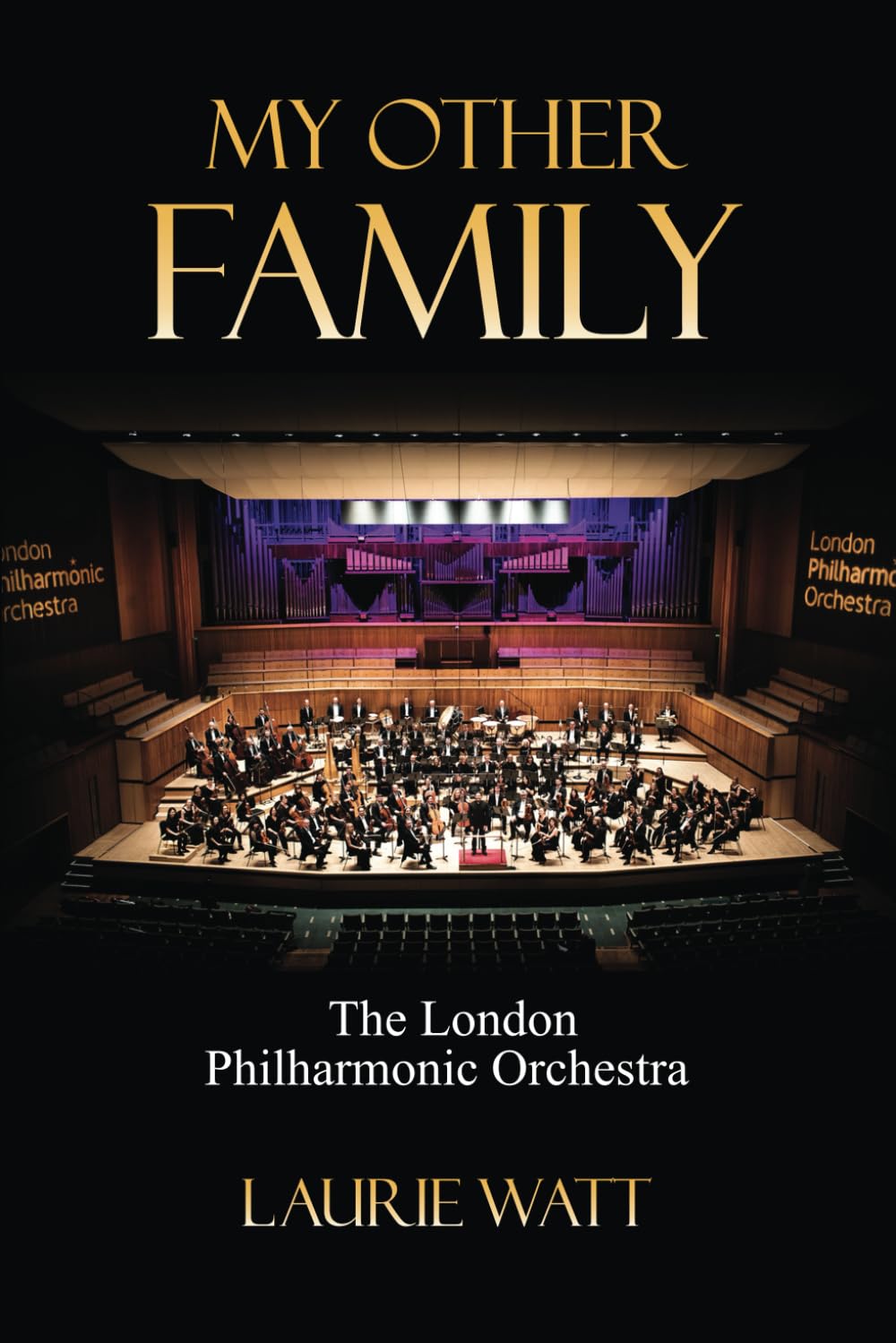
Whether it’s the heroic calls of Strauss, the delicate melodies of Mozart, or the lush harmonies of Mahler, the horn’s versatility is unmatched and can captivate the audience. As a horn player, you’ll find yourself at the centre of some of the most memorable moments in classical music, similar to Laurie Watt, the author of “My Other Family: The London Philharmonic Orchestra.”
My Other Family: The London Philharmonic Orchestra by Laurie Watt is a memoir that spans nearly five decades. The book offers a deeply personal and behind-the-scenes look at one of the world’s most renowned orchestras from the eyes of a mature French horn player. Through vivid anecdotes and heartfelt reflections, Watt recounts his journey from a lawyer with no formal musical training to an honorary member of the London Philharmonic Orchestra. From pivotal legal battles and international tours to the camaraderie of recording sessions at Kingsway Hall, this book pays tribute to the resilience, artistry, and humanity of a music institution that became Watt’s second family, like no other.
Get your copy on Amazon: https://www.amazon.com/dp/1917613776.
That being said, horn play requires technical mastery and discipline. Because of its unique design and technique, this instrument demands precision, control, and patience. While the steep learning curve may seem daunting, the skills you acquire—like breath control, hand positioning, and tone production—will set the tone for it to produce music.
One of the most fulfilling aspects of being a horn player is the camaraderie. Whether you’re part of a symphony orchestra, a brass quintet, or a film recording session, the people you meet and form will be significant as it teaches you how to listen, adapt, and collaborate.
Professional orchestras are just one avenue. Many horn players also find success in chamber groups, solo recitals, and teaching. Furthermore, the demand for skilled horn players in film, television, and gaming sectors offers exciting, non-traditional opportunities for a prosperous career. With dedication and networking, a career in horn play can lead to both financial stability and artistic fulfilment.
In the end, being a French horn player is a lifelong journey of personal growth and expression. The instrument is of any kind that challenges you to push your boundaries, both technically and emotionally. It’s an art form that allows you to connect with your audience and express yourself and your ideas and emotions that words cannot capture.
So, if you want to be a horn player, start by looking for a teacher or mentor who can walk you through the basics of it, or a good resource like “My Other Family: The London Philharmonic Orchestra.”
While the path may be challenging, the rewards of a career in horn play are immeasurable and can provide you with good memories that you will not forget.