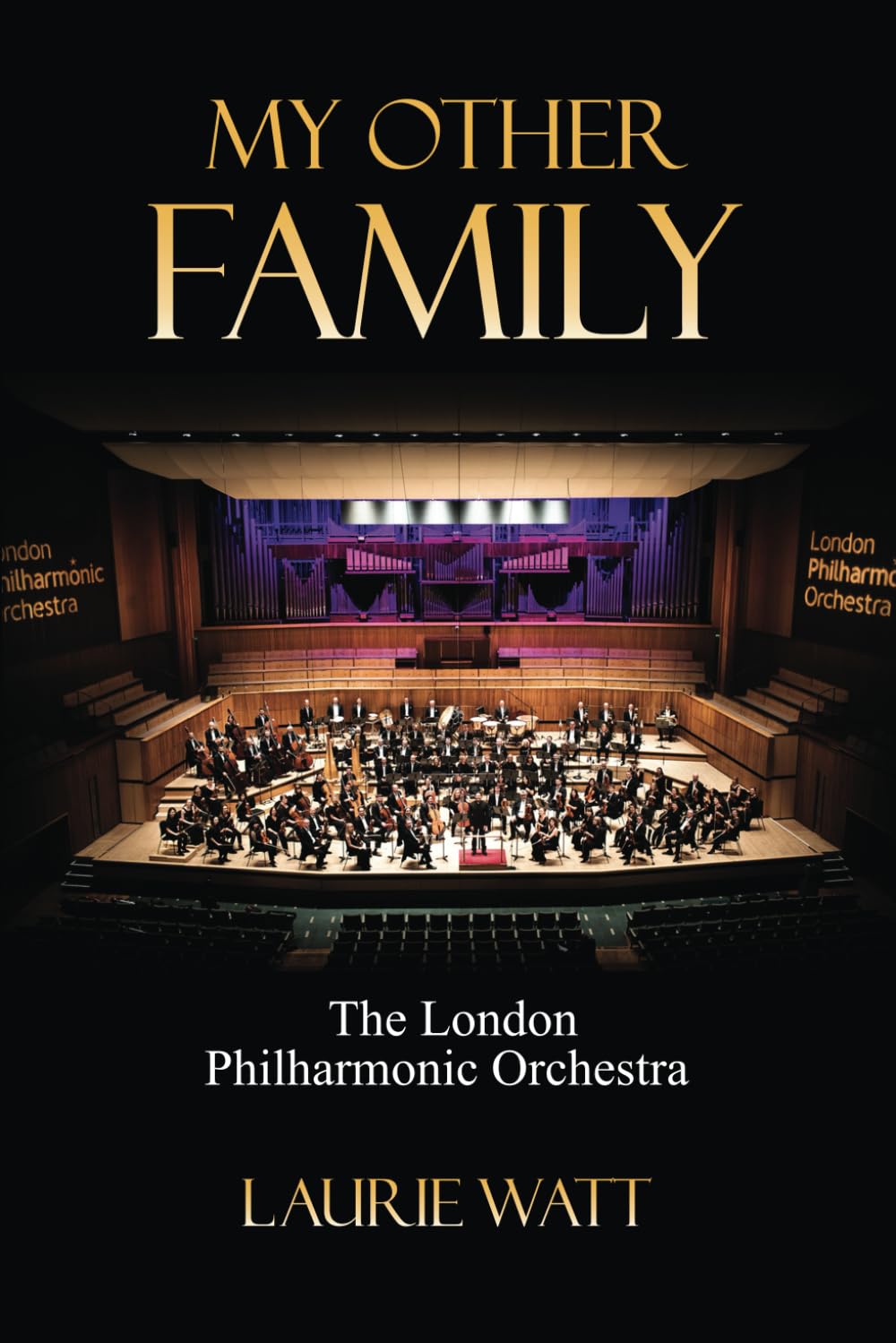
The London Philharmonic Orchestra (LPO) is renowned for its outstanding performances, iconic recordings, and 90-year history.
But beyond the soaring melodies and prestigious accolades lies another side of the LPO. It is a world of intricate dynamics, backstage camaraderie, and challenges that shape its extraordinary journey.
Laurie Watt’s My Other Family: The London Philharmonic Orchestra offers a rare glimpse. This book reveals the Orchestra’s depth and humanity.
While the LPO represents artistic excellence, Watt’s memoir pulls back the curtain to show the Orchestra as a family that thrives on collaboration but is not immune to conflicts, crises, and moments of vulnerability. One of the most compelling aspects of his story is the Orchestra’s governance structure. Watt recalls legal disputes like the landmark Winfield v. The London Philharmonic Orchestra case, which tested the very foundations of this cooperative structure. Such moments underscore the balance between artistic freedom and organisational stability.
Another fascinating aspect of the LPO’s inner workings is the camaraderie among its musicians. Watt describes them as a family bound by shared passions and experiences. For example, recording sessions at the legendary Kingsway Hall were not just professional engagements but opportunities for connection and celebration. Anecdotes of conductor Mstislav Rostropovich sharing vodka with the musicians after marathon sessions and other accolades reflect the warmth and humanity that underpin the Orchestra’s culture. However, these relationships are also tested by the pressures of constant touring and the pursuit of perfection, which reveals the emotional toll of life in a high-stakes artistic environment.
Watt also recounts moments of crisis, such as financial challenges and management upheavals, with an insider’s perspective that demonstrates the Orchestra’s ability to adapt. Whether navigating changes at the Royal Festival Hall or embarking on international tours to South Africa during apartheid, it speaks to its determination to uphold its legacy. These stories reveal a side of the LPO that is as inspiring as its performances—while staying true to its mission.
Watt’s memoir emerges as a nuanced portrait of the LPO. It is not just a world-class ensemble but a living, breathing institution and entity that is shaped by the people who dedicate their lives to it. Their stories—the triumphs, struggles, and lighthearted moments—add depth to the Orchestra’s public image, reminding us that even the most polished performances are built on a foundation of hard work and human connection—and that such stardom does not come easily.
For those who know the LPO only through its concerts or its visual appeal, this other side and candid look offers a richer appreciation of what it means to be part of such an institution. Laurie Watt’s My Other Family: The London Philharmonic Orchestra remind us that behind the music lies a world of complexity, collaboration, and profound dedication. For more information and insight, please visit: https://myotherfamily.co.uk/